Where Indigenous perspectives guide engagement
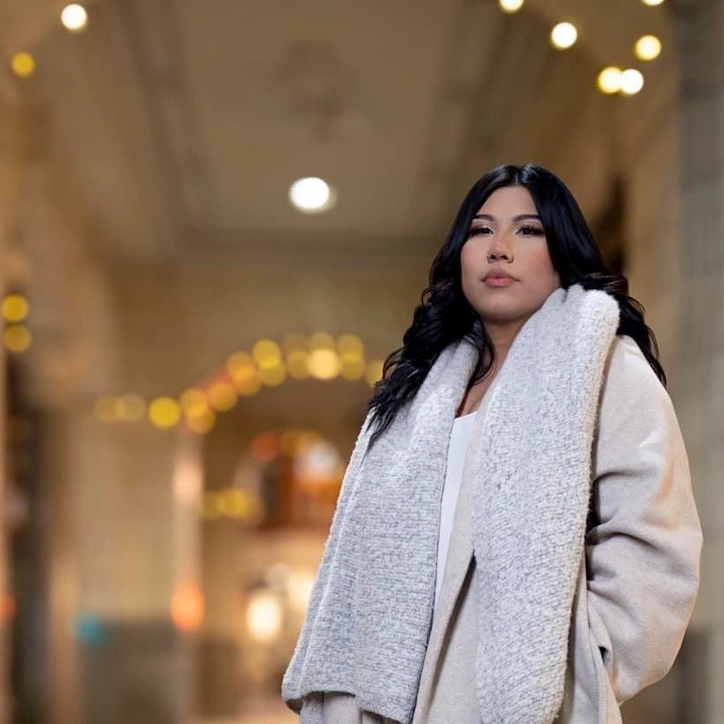
Author Tenise Day Rider (Ka'katoosakii - Star Woman)
I’ve been sitting with something for a while.
When we talk about reconciliation and everything that comes with it, we prepare by hosting meetings. We create strategies. We say the right words, follow protocol, give land acknowledgments, and we prioritize consultation.
But I keep asking myself — what does it actually mean to others “to be in relationship?”
For me, it’s not a meeting agenda or quarterly target. And it’s not something to initiate only when you need approval, access, or partnership. Relationships are consistent and that’s how many of us operate in our personal and professional lives.
I’ve sat in rooms where Indigenous voices were invited in with sincerity. But I’ve also sat in rooms where you could feel the urgency wasn’t about relationship but more about timelines.
Timelines, approvals, gathering ideas, getting a sense of what the relationship will require moving forward. Avoiding conflict. Mitigating risk. Moving projects ahead. Two very different energies.
When you grow up in a tight-knit community, you understand relationship differently. Showing up once doesn’t mean you’re connected and trust is built over time. Who you are outside the meeting matters just as much as who you are inside it, because relationship requires us to show up as our authentic selves outside of those doors, as well as inside.
And in our Indigenous communities, you don’t separate your professional self from your personal integrity. The way you treat people carries through both naturally. So when I enter spaces framed as “engagement” or “consultation,” I’m not only listening to what’s being said – I’m observing the tone and I’m noticing who is speaking and who is quiet. I’m paying attention to whether there is humility in the room or whether we are simply following an agenda and what is likely being checked-off in real time.
Engagement without authenticity and trust is transactional. And it’s not only recognized, it’s felt. Most institutions believe they are doing everything correctly because they understand protocol and ethics when working with First Nations and Indigenous communities. But it goes beyond protocol and awareness. It goes beyond well-prepared slide decks, appropriate invitations, land acknowledgments, or opening with a smudge and prayer.
The “we’re here because we have to be” energy is recognized very quickly and it’s a pattern many of us are aware of now.
Real relationship means being willing to hear things that may be uncomfortable and not shutting down because you weren’t prepared to address them. It's an understanding of the historical harm that didn’t disappear simply because the current representatives weren’t personally responsible for it, and taking into account that we still carry colonial structures and practices that continue to clash with Indigenous worldviews and values.
It also means consistency after the meeting ends.
Did you maintain contact when you didn’t need anything — even after approvals were granted and projects were completed?
Did you follow through on relational commitments?
Did you carry new understanding beyond formal settings?
I’ve had the privilege of working alongside Anne, (Owner, Forum Community Relations), who has also written a piece on “Meaningful Consultation” as someone in a role of influence, and interestingly enough, that piece is what intrigued me to want to learn from Anne as my now employer, mentor, and dear friend. I’ve had the honour of witnessing what meaningful consultation truly looks like in applied-practice, in real time, and in real relationships — not as a testament to “theory in practice”, or strategic positioning, but as daily commitment.
I’ve watched Anne use her privilege intentionally — not to speak over others but to interrupt colonial ways of thinking when they’re harmful. I’ve seen her correct narratives in the moment, assert facts over opinion while still honouring very real emotions of everyone in the room. And I’ve never seen her lower her head in a difficult or awkward conversation simply because it was uncomfortable, she leans into it and carries that feedback forward.
I’ve also watched Anne build genuine relationships with Indigenous people, communities, professionals, Elders, and Knowledge Keepers that extend far beyond strategy or organizational requirements. Relationships where she can call or text when she’s uncertain or needs support– real, reciprocal, connections.
And I think if organizations committed to this level of authenticity beyond what’s required on paper, we wouldn’t just be project cycle partners. We would become partners in a way that extends into future generations, relationships that our children can inherit, and connections that don’t expire when the contract does.
Anne, like many of us, is still learning — but she wears that and says it openly. And what I see is commitment, vulnerability in learning, a willingness to be corrected, and sustained relationships.
Take our own relationship, for example. She’s not just my employer. We talk through hard things — as a settler woman and an Indigenous woman, we unpack worldview differences, we sit in tension, and we learn from each other. So the idea of curating connection beyond relational business practice isn’t just theorized, it’s a real practice.
And as an Indigenous professional, I navigate this in layered ways. I also carry my community with me into rooms, even when I’m not speaking directly on behalf of anyone. I’m conscious of how things will land back home and whether engagement feels genuine or strategic.
But I also see the efforts of institutions that are genuinely trying, even if they haven’t quite figured it out yet. I don’t assume bad intent, and I try hard not to be cynical. I’ve met many non-Indigenous colleagues— and even friends — who genuinely care and are trying to do this work in good ways. But caring isn’t the same as understanding relational accountability. And it has never felt like my place to prompt that reflection.
In our ways of being, relationship is ongoing, it is reciprocal, and it requires patience. It also requires a deep level of humility — the kind that can really only be learned through authentic connection and vulnerability.
And reconciliation, if it is real, has to be relational first.
Sometimes I wonder what would change if reconciliation was approached less as an organizational requirement, and more as community and kinship building – And what if we asked not just “Have we fulfilled our obligations?” but, “Are we showing up in a reciprocal way that sustains long-term connection?” That question might shift us from feeling pressure, to gratitude and appreciation for what’s to come, and not hesitation due to fear. We have to remember that we are dealing with people, not processes.
Authored by Tenise Day Rider, Forum Community Relations