The Sixties Scoop: Why This History Still Matters

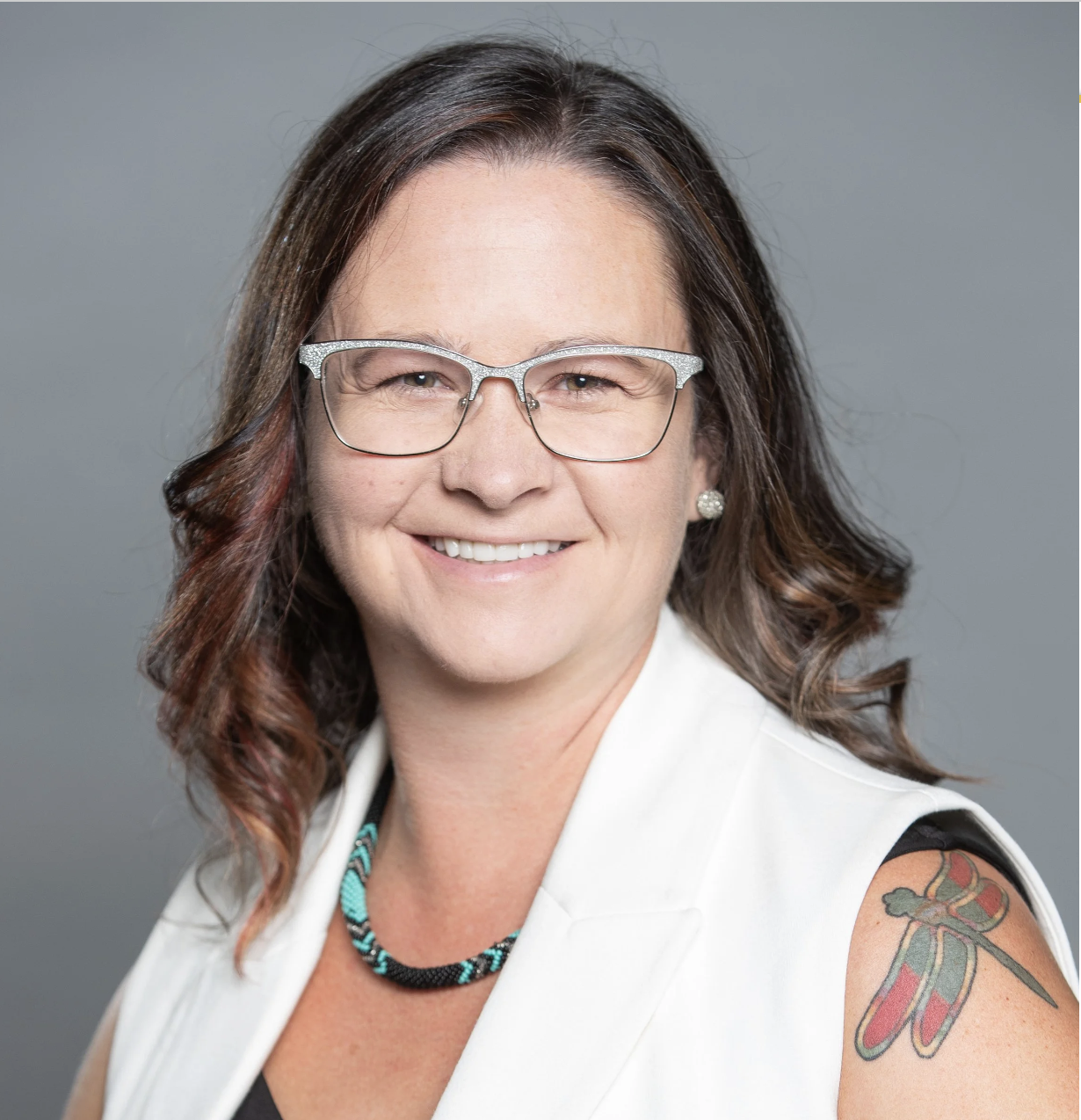
Author Tenise Day Rider (Ka'katoosakii - Star Woman)
As the descendant of a Sixties Scoop Survivor, I have always been careful about how I speak about this history. I do not share my mother’s story on her behalf, and I do not attempt to summarize the full depth of trauma experienced by Survivors. Instead, I share from my own lived experience as someone shaped by the intergenerational impacts of the Sixties Scoop.
At Forum Community Relations, reconciliation-focused learning begins with understanding; not only of history but how that history continues to shape lives, relationships, and our societal systems today.
Understanding the Sixties Scoop
Between the 1950s and 1980s, thousands of Indigenous children were forcibly removed from their families and communities by the Canadian child welfare system and placed into non-Indigenous foster and adoptive homes. This widespread practice, now known as the Sixties Scoop, was framed as “child welfare” and “integration,” but in reality it was an extension of Canada’s long-standing assimilation policies.
Enabled by changes to the Indian Act that gave provinces jurisdiction over Indigenous child welfare, the Sixties Scoop reflected deeply colonial assumptions: dismissing Indigenous kinship systems and equating poverty or cultural difference with neglect. Children were taken without consent, often permanently severed from their families, languages, and Nations.
What Is Still Often Missed
While policies and timelines matter, what is most often overlooked is the human and cultural cost. For Indigenous peoples, cultural connection is not optional or a mere symbol, it’s a literal framework and foundation to life and our ways of being. To our identity, belonging, and to our spirit. Teachings, language, ceremony, and relationships to our clans and communities is how knowledge is passed on and how people come to understand who they are. When children are removed from these foundations, the loss is destructive to that individual and their kinship system. Many Survivors described growing up without a sense of identity or belonging, experiencing racism, isolation, and in some cases; abuse in the systems meant to “protect” them. Though each Survivor’s experience is different, what is shared by all is the loss of cultural connection. And this loss did not end with one generation.
Intergenerational Impact and Resilience
The impacts of the Sixties Scoop extend far beyond those who were taken. As children and grandchildren of Survivors, many of us grew up shaped by experiences that were never fully named or understood at the time. My mother spent much of her life unaware that she was part of a larger systemic practice. Like many Survivors, she questioned her own memories and experiences, unsure whether what she felt was real or valid. It wasn’t until years later, and only after public recognition and apologies that the pieces began to come together. And yet, alongside this loss there is also resilience. Many Survivors and their descendants have worked intentionally to reconnect with culture, teachings, and community, reclaiming what was taken from them and carrying it forward for future generations.
Why This Learning Matters for Reconciliation
Understanding the Sixties Scoop is not about assigning blame or mastering historical facts, but is about recognizing how past policies continue to influence present-day realities, including trust, relationships, and experiences within workplaces and organizations. For leaders and their teams, this awareness supports more culturally safe, respectful, and informed approaches to Indigenous relations. It invites humility, patience, and a willingness to listen. All essential skills in reconciliation work.
The Sixties Scoop learning activity offered through Forum’s Niso’kawaiksi cultural agility program is designed to support this reflection by centering survivor voices, encouraging thoughtful pause, and inviting participants to consider both personal and organizational responsibilities.
Moving Forward
Learning about the Sixties Scoop is only a piece of Canada’s history with Indigenous Peoples. Awareness creates conditions for deeper understanding, and a deeper understanding opens the door to meaningful action. As we continue this learning journey, future conversations will explore how the impacts of the Sixties Scoop continue to show up across generations and systems today, and what it means to move forward.
Reconciliation is not a single moment of learning, but an ongoing commitment to trying to know better, so we can do better, together.
Authored by Tenise Day Rider, Forum Community Relations