Beyond Good Intentions: Moving from Paralysis to Relational Action
by Anne Harding
When we approach Indigenous relationships like a compliance exercise with a checklist of facts to memorize or a mandatory webinar to sit through, we run into a real problem.
At best, treating reconciliation as a checklist limits our view of Indigenous Peoples to a deficit perspective, framed through tragedy or static, historical images of the past. At worst, it creates seeds of resentment, detachment, and cynicism before real relationship-building even starts.
I’ve heard this directly from coaching clients and program participants lately: many of their high school-aged children are coming home frustrated by repetitive, superficial school presentations about Indigenous Peoples that leave them feeling defensive or disconnected rather than engaged.
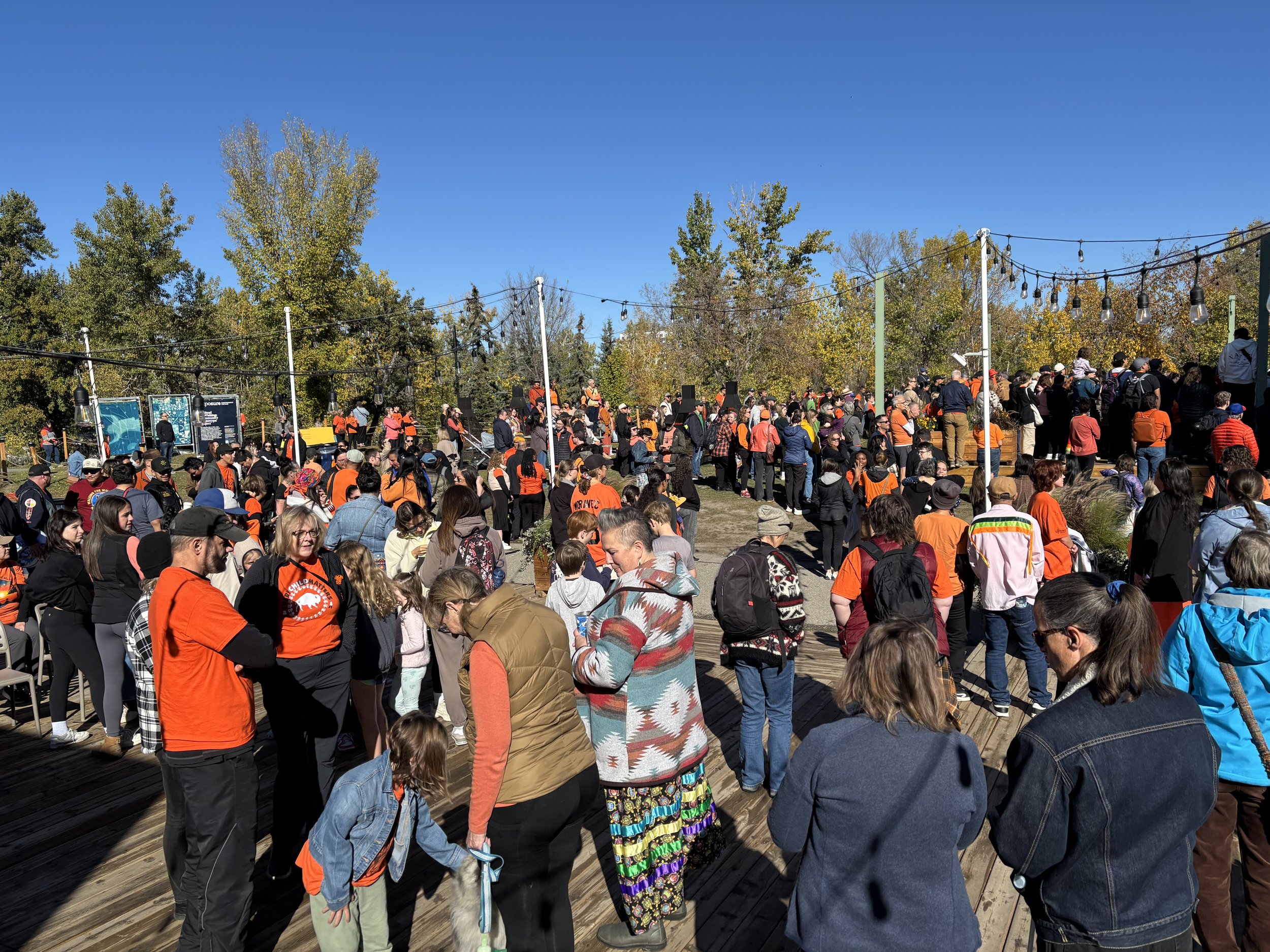
I’m seeing this same pattern play out in corporate spaces around the National Day for Truth and Reconciliation in September and National Indigenous History Month in June. So many companies focus on surface-level, once-a-year events, putting a heavy burden on Indigenous employees and leaders to organize panels, share personal stories, and teach. But true reconciliation isn't a single date on an annual calendar; it’s an ongoing, daily journey.
So why do so many well-meaning people stay stuck on the surface and how can we go deeper to make meaningful change?
A big part of it comes down to what I call the paralysis of privilege.
When I use the word “privilege” here, I’m talking about the systemic distance and comfort that allows many of us to step away when things get uncomfortable. Our own ‘bubble’ of activities, social groups, and workplaces that keeps us removed from the everyday realities of Indigenous communities; both the negative realities of poverty and trauma AND the positive realities of Indigenous joy, thriving businesses, cultural revitalization, ceremony, and resilience.
I see this pattern often: once we start to realize the immense harms that colonial systems have caused, a quiet panic sets in: we just don't want to do more harm. We also worry about making a mistake, or being told we’ve done something wrong.
So, we stand on the fringes where it feels safe. We stick to passive activities: reading a book, listening to a podcast, wearing an orange shirt once a year, or attending an event to hear a survivor share their story (again).
It’s completely understandable why taking a bigger step forward feels intimidating. Discomfort is uncomfortable. But discomfort is precisely what we need to move forward and see real change. Discomfort isn't a sign that you're failing; it’s the engine that propels us out of the shadows and into meaningful action.
In my coaching work with leaders, so much of what I do feels like giving people permission to follow their intuition. I might offer a tweak in language here or explain a cultural nuance there, but at the end of the day, people generally know how to build respectful relationships if they lead with their heart and are supported by the knowledge and experience gained through relational learning.
Taking that first step alone can feel scary. But when we walk alongside others in a learning community, we benefit from safety in numbers and the comfort of our shared humanity. That’s how we get ‘unstuck’ from turn good intentions into real, lasting impact.